


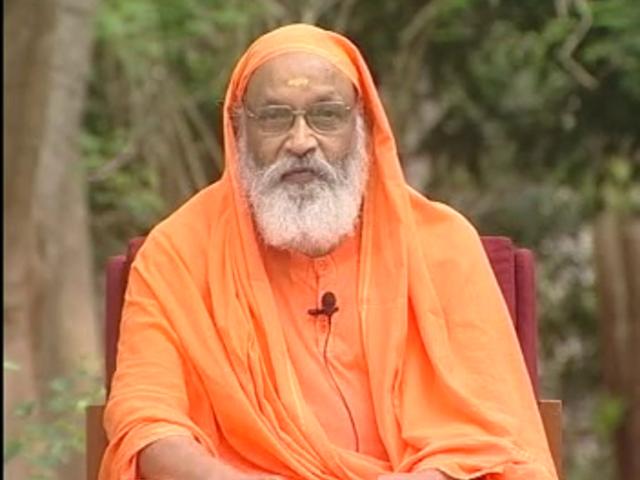
With the blessings of His Holiness Swami Dayanand Saraswati
Purna Vidhya..Vedic Heritage Teaching
Ages 4-16 Curriculum
Part 1 & Part 2 :
Story Telling (tales from Panchathantra), Games, Value of a Drama…Puranic Tales for the young.
Part 3 :
Introduction and Context of Ramayana, Quiz & Drama
Part 4 :
Introduction to Bhagavatha Purana, Stories from puranas, Ithihasas & Dasvatharam.
Part 5 :
Mahabharata Stories and Values.
Part 6 :
Introduction to values. ex. Truthfulness, absence of six-fold enemies, mastery of the mind, charity, pride, parents and siblings, environmental awareness and much more.
Part 7 :
a) Isvara and Religious Disciplines. Introduction to Isvara (as elements), three forms of lord, Ishta devadas, planetary deities, symbol worship of Isvara, devotion, surrender, prayer, meaning of om
b) Introduction to religious disciplines, Five Daily Sacrifices, Salutations to Sun Deity, Karma as religious discipline, discipline in speech, arts of charity, eight-limbed yoga
Part 8 :
Religious Culture. Introduction to Form and Spirit of Vedic Culture , Rishi Lineage, Name Hinduism, Food, Dress and Ornamentation, Home, Customs and manners, Language, Hindu Calender Performing Arts, Temple Culture, Worship and Festivals, Places of pilgrimage, Saints, Women in Vedic Culture.
Part 9 :
Sanatana Dharma…..Fourteen-Fold Vedic Knowledge, Four Purusharthas, Two Lifestyles, Four Vedas, Yajna (The Fire Ritual).. Jivanmukthi..(Liberation while living), Hindu Samskaras (origin and 40 samskaras), Lord Agni in the stages of life, Sixteen Samskaras
Part 10 :
Human Development and Spiritual Growth…human development from preschool years to middle age..self-identity and cultural identity, Vedic and modern influences, western influence…value for traditions , self image, psychological growth and spiritual seeking…..goals of a human being.
Part 11 :
Vedic Knowledge…Fourteen-fold Vedic Knowledge, Vedas as means of knowledge, Six Vedangas, Four Upangas, Dharma Sastra, Puranas, Ithihasas, Four Upavedas.
Part 12 :
Introduction to Bhagavad Gita, Context of Bhagavad Gita, Arjuna’s despair, Knowledge of the Self, Duty of a Kshatriya, Karma Yoga, Discerning the Wise Person.