

Festivals
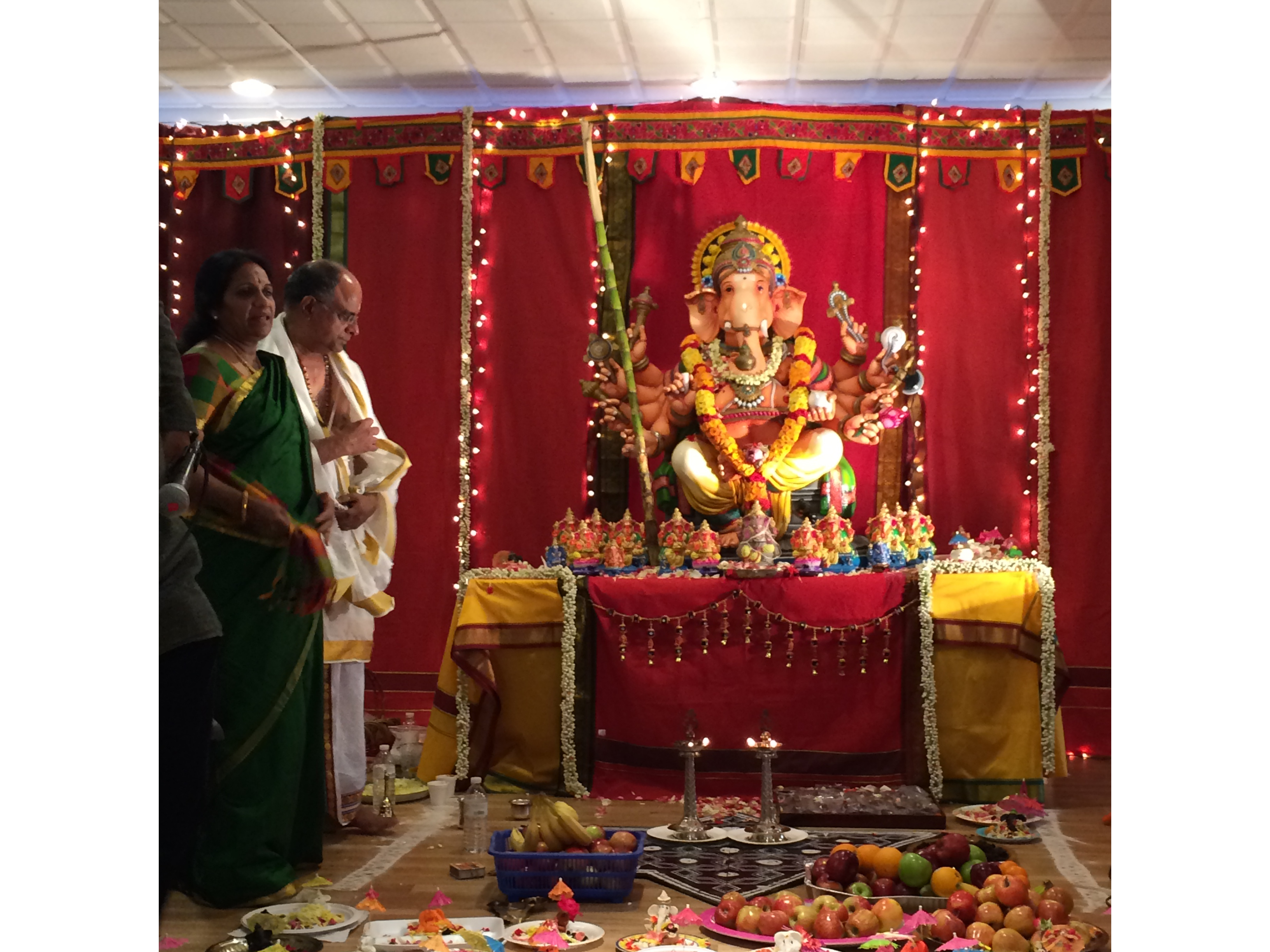
Ganesh Chathurthi
Ganesh Chaturthi is the celebrated as the arrival of (birthday of )Ganesh on the earth. More…
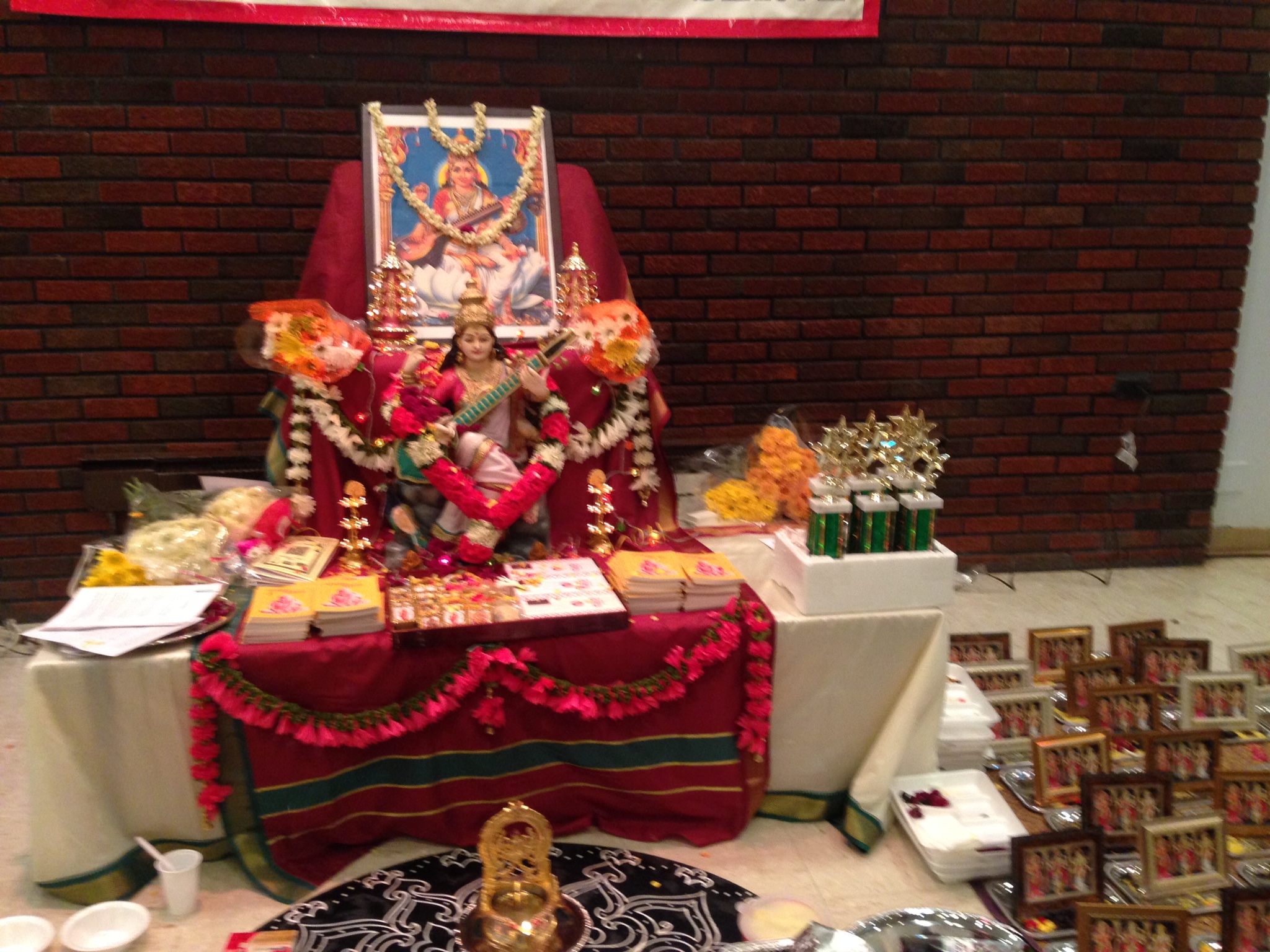
Saraswati Puja
- If you are only doing Saraswati Puja, then get your house cleaned.
- Keep all the books arranged.
- Clean all the tools and music instruments.
- Keep the computer and laptop clean.
- Everything must be ready by the evening of the 8th day of Navratri. On the Mahanavami day, ninth day of Navratri, books and tools that are kept for Saraswati puja should not be touched. Most people do the Puja on evening of the eighth day of Navratri and on the Mahanavami day the books and tools are not touched.
- If you are already doing Navratri Puja, then you can place the idol of Goddess Saraswati in front of your Navratri Golu display. If not, then you can place the idol in prominence in the puja area.
- Decorate the image or idol of Goddess Saraswati using flowers, garlands etc.
Guru Poornima
The full moon day in the Hindu month of Ashad (July-August) is observed as the auspicious day of Guru Purnima, a day sacred to the memory of the great sage Maharshi Veda Vyasa. All Hindus are indebted to this ancient saint who edited the four Vedas, wrote the 18 Puranas, Mahabharata and the Srimad Bhagavatam.
Krishna Janmashtami
Janmashtami is the day Lord Krishna was born. People visit Krishna temples on this day, conduct Puja and have a whole day of celebration. Worship Lord Krishna whole heartedly on this auspicious day and seek his blessings for a prosperous and joyful life.
Varalakshmi Vrata
Varalakshmi Vrata is performed by married woman for the well being of all the family members, especially husband, to get progeny etc. It is believed that worshiping Goddess Varalakshmi on this day is equivalent to worshiping Ashtalaksmi – the eight goddesses of Wealth, Earth, Learning, Love, Fame, Peace, Pleasure, and Strength. Because of the popularity in some states of India, it is declared as an optional official holiday in India.
Navaratri
Navaratri is a festival dedicated to the worship of the Hindu deity Durga. The word Navaratri means 'nine nights' in Sanskrit, navameaning nine and ratri meaning nights.[2] During these nine nights and ten days, nine forms of Devi are worshipped. The tenth day is commonly referred to as Vijayadashami or "Dussehra" (also spelled Dasera). Navaratri is an important major festival and is celebrated all over India
Deepavali
Deepavali which means "row of lights/lamps" in kannada and telugu and Sanskrit is called "Diwali" in North India, Deepa means lamp and in Hindi a lamp is mostly called a Diya or Di. The festival is celebrated on the occasion ofLord Krishna and his wife Satyabhama killing a demon Narakasura. Another story says the festival is celebrated for the return of Rama and Sita to the kingdom Ayodhya after fourteen years of exile. Rama is exiled to the forest for 14 years, his devoted wife Sita and humble brother Laxman decide to join him, after 14 years the whole village know he is returning so light lamps or 'divas' to guide him, his wife and brother home. So every year lamps are lit to represent Rama finding his way back home after the harsh punishment of being sent to exile in the forest.
Pongal
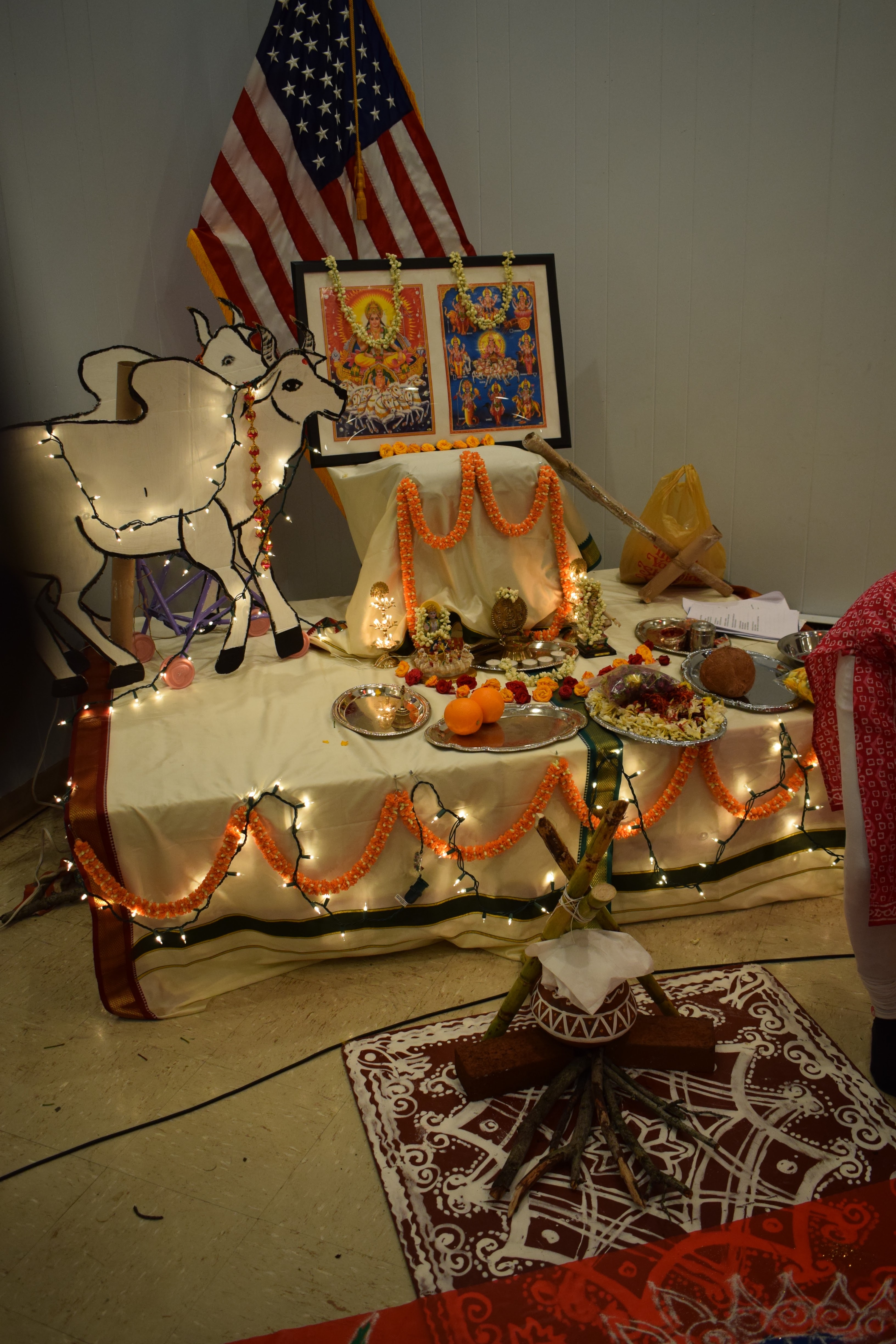
Pongal is one of the most popular harvest festivals of southern India, mainly Andhra Pradesh, Telangana, Tamil Nadu and Karnataka. Pongal occurs in the middle of January every year and marks the auspicious beginning of Uttarayan (sun's journey northwards). The Pongal festival lasts for four days. Celebrations include a drawing of Kolam, swinging & the cooking of delicious Pongal.
Maha Shivaratri
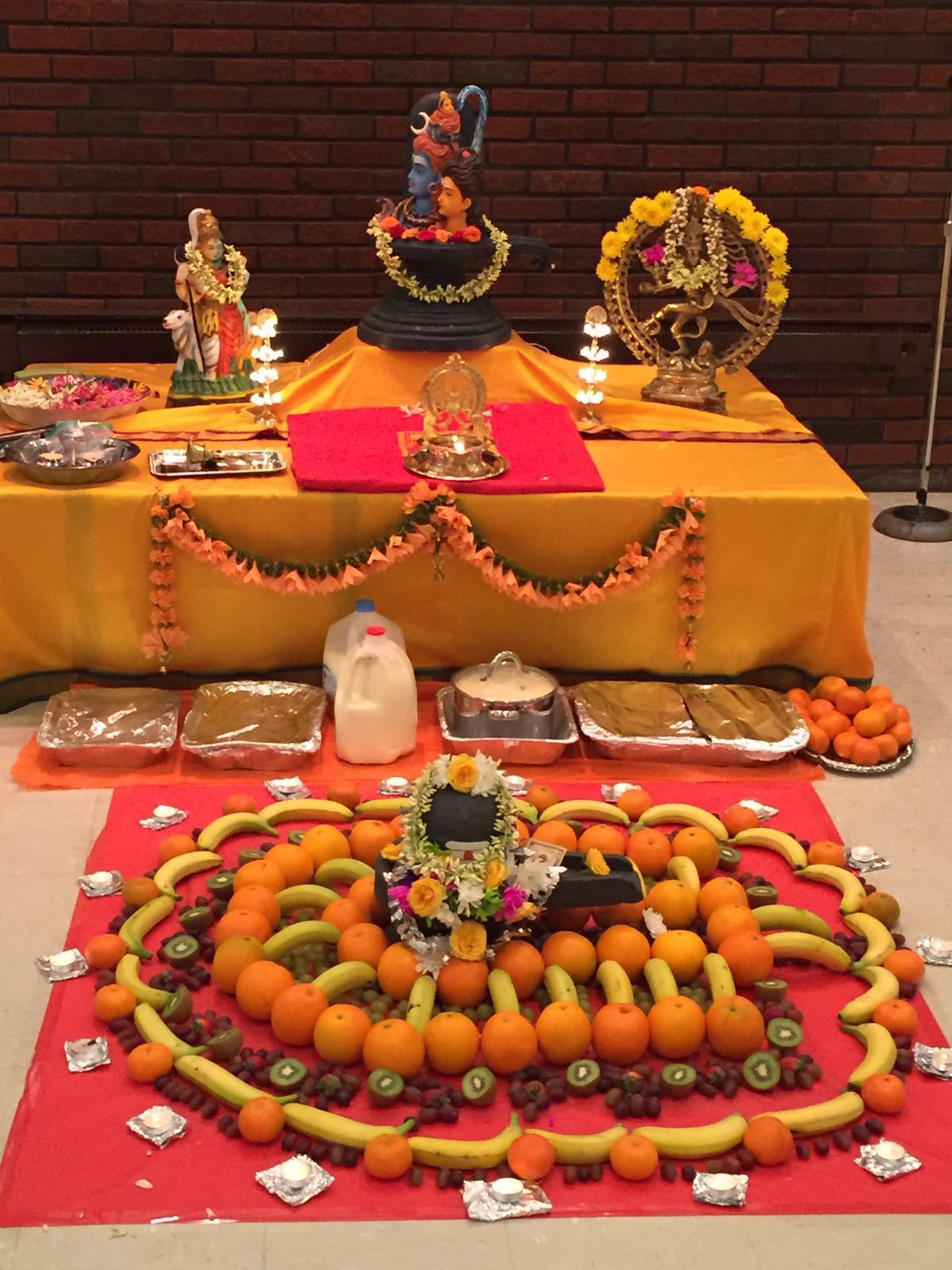
Maha Shivaratri is the great night of Shiva, during which followers of Shiva observe religious fasting and the offering of Bael (Bilva) leaves to Shiva. Mahashivaratri Festival or the ‘The Night of Shiva’ is celebrated with devotion and religious fervor in honor of Lord Shiva, one of the deities of Hindu Trinity. Shivaratri falls on the moonless 14th night of the new moon in the Hindu month of Phalgun, which corresponds to the month of February - March in English Calendar. Celebrating the festival of Shivaratri devotees observe day and night fast and perform ritual worship of Shiva Lingam to appease Lord Shiva. To mark the Shivratri festival, devotees wake up early and take a ritual bath, preferably in river Ganga. After wearing fresh new clothes devotees visit the nearest Shiva temple to give ritual bath to the Shiva Lingum with milk, honey, water etc. On Shivaratri, worship of Lord Shiva continues all through the day and night. Every three hours priests perform ritual pooja of Shivalingam by bathing it with milk, yoghurt, honey, ghee, sugar and water amidst the chanting of “Om Namah Shivaya’ and ringing of temple bells. Nightlong vigil or jaagran is also observed in Shiva temples where large number of devotees spend the night singing hymns and devotional songs in praise of Lord Shiva. It is only on the following morning that devotee break their fast by partaking prasad offered to the deity.
Rama Navami
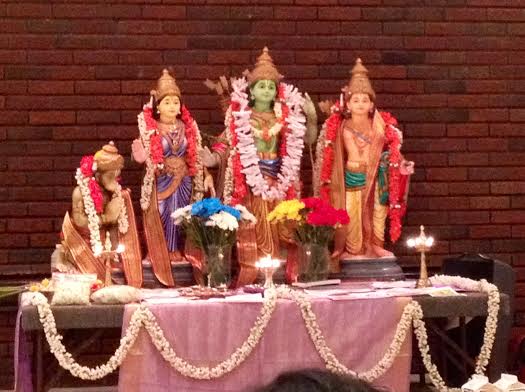
Rama Navami is the celebration of the birth of Rama. Rama Navami is the day on which Lord Rama, the seventh incarnation of Lord Vishnu, incarnated in human form in the land of Ayodhya. He is the ardha ansh of Vishnu or has half the divinitive qualities of Lord Vishnu. The word “Rama” literally means one who is divinely blissful and who gives joy to others, and one in whom the sages rejoice. Ram Navami falls on the ninth day of the bright fortnight in the month of Chaitra.